Geological Dating: The Latemar Controversy
Autocyclic vs. Alloscyclic: the periodicity and mechanism of Latemar formation. Was the Latemar formed over 10 million years or 1 million year? Different dating methods might tell different stories.
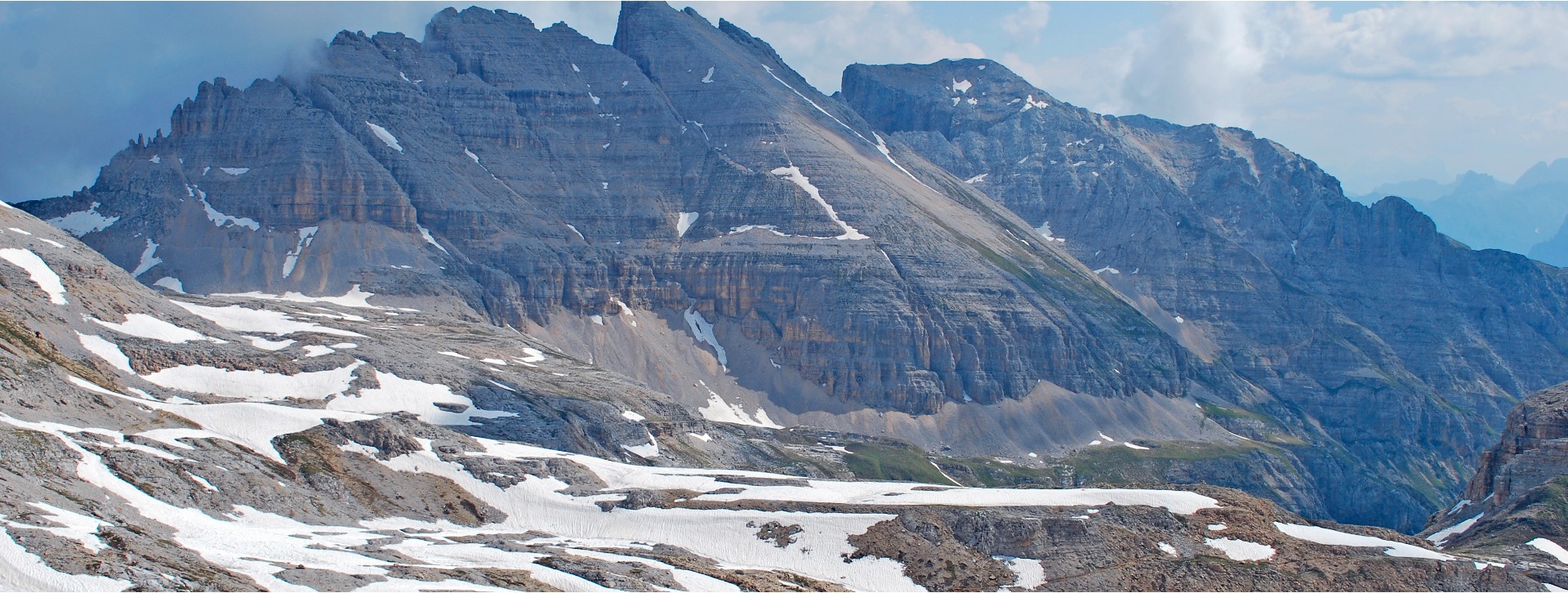
Autocyclic vs. Alloscyclic: the periodicity and mechanism of Latemar formation. Was the Latemar formed over 10 million years or 1 million year? Different dating methods might tell different stories.
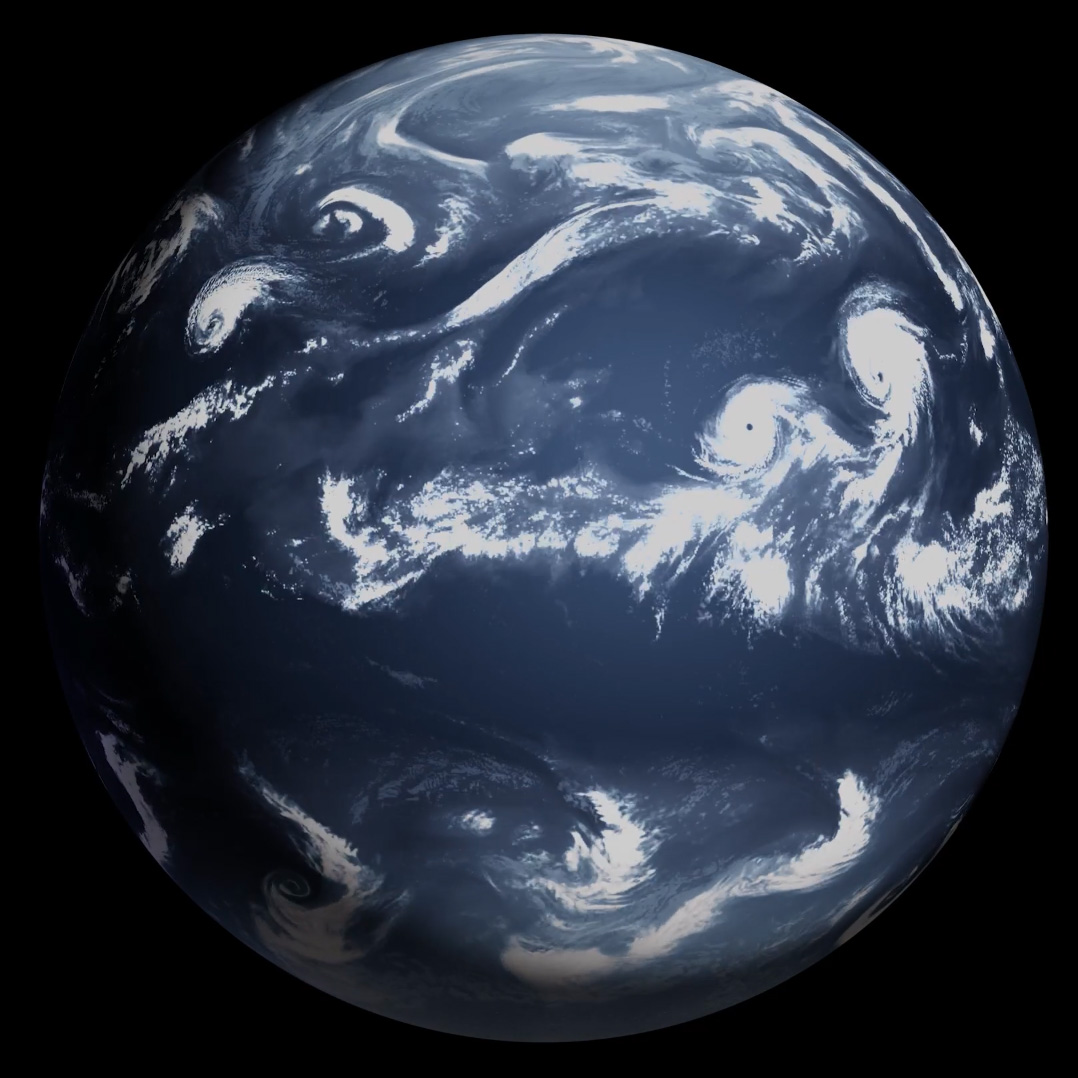
How would the climate be like on a planet that is just like the Earth but without any Land? Idealised model simulation on the global atmospheric circulation of an aquaplanet helps us understand the coupling between the ocean and the atmosphere on the Earth. photo@University Corporation for Atmospheric Research (UCAR)
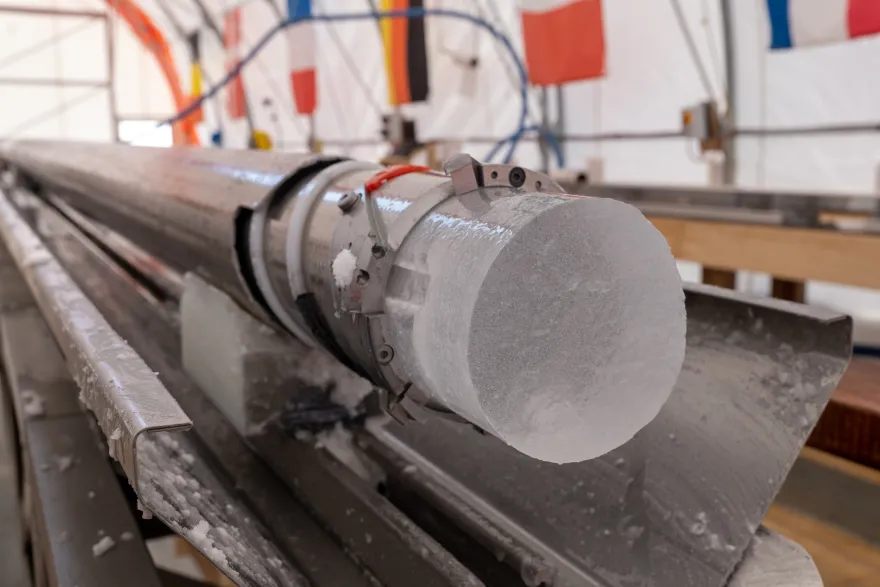
Ice cores are like time capsules carrying information from the past. With the example of noble gas proxies, we can see how air bubbles in ice cores tell us about global ocean temperature hundreds of thousand years ago. photo@PNRA_IPEV

A simple three-species 1-D model helps us understand the dynamics of planktons: Are they chaotic? What role does ocean physics play?photo@BBC Thomas Winstone
Ideas under drafting...
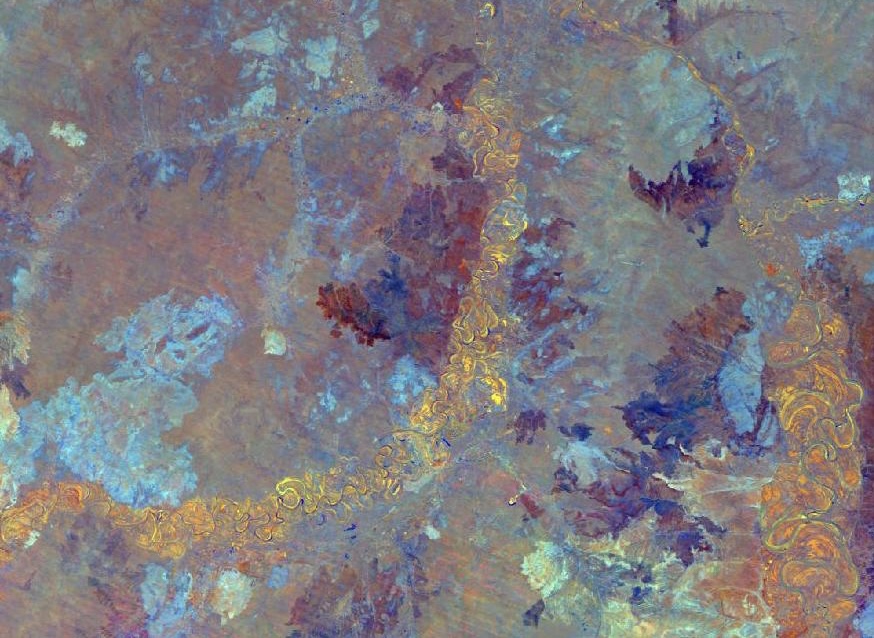
What does permafrost research community study and how do they better understand permafrost?

With extreme weather events becoming more frequent under climate change, can model forecasts benefit society better?
Periodic reversal of Madden-Julian oscillation winds drives the intraseasonal ocean mass see-saw in the Indo-Pacific basin. This generates an influence on the Earth polar axis motion and legth of day.